Why Weight Comes Back After You Lose It — And How to Actually Keep It Off.
- DobroMedOnline

- May 5
- 5 min read
Updated: 3 days ago

You lose the weight… and for a while, everything feels easier.
Then slowly, almost without noticing, it starts to come back.
And most people assume it’s something they did wrong.
But the more we study this, the clearer it becomes:
Weight regain is not failure. It’s biology—and we now have much better data explaining exactly how it happens.
Your body actively works against weight loss
After weight loss, your body doesn’t just stabilize at a lower weight. It shifts into a state where it tries to restore what was lost. Newer research continues to confirm this pattern.
For example, a 2026 analysis showed that after stopping weight-loss medications, people regained weight at a predictable rate—about 0.4 kg per month, with many returning close to their baseline weight within about 1.5–1.7 years. That’s not random. That’s a biological trajectory.
Appetite returns stronger than expected
One of the biggest drivers of weight regain is appetite. When you lose weight, your body increases signals that make you eat more. Newer post-GLP-1 research confirms this clearly:
After stopping medications, hunger signals increase while satiety signals decrease, and this imbalance drives increased food intake. In simple terms: You are biologically pushed to eat more.
Ghrelin (hunger hormone) goes up
Leptin (satiety hormone) goes down
Result:
You feel hungrier than before
It becomes harder to stay consistent
This is why “just eat less” stops working.
Your metabolism stays lower
At the same time, your body continues to burn fewer calories.
Even as appetite increases, energy

expenditure remains suppressed.
This is called metabolic adaptation.
That combination is powerful:
you feel hungrier
you burn fewer calories
That’s exactly the setup for weight regain.
And this mismatch is now considered one of the core mechanisms of weight regain after treatment.
GLP-1 / tirzepatide data makes this even clearer
We now have strong real-world data specifically on GLP-1 medications.
For example:
Patients regained ~60% of lost weight within 1 year after stopping
Average regain after stopping tirzepatide/GLP-1 drugs can reach ~9–10 kg within the first year
Many individuals trend back toward baseline weight within ~1.5–2 years
This confirms something important:
These medications work extremely well—but only while they are active.
Muscle loss makes regain easier
Another factor we understand better now is body composition.
During weight loss, especially with
reduced intake:

muscle mass decreases
metabolic rate drops further
That creates a situation where:
fewer calories are burned daily
fat regain becomes easier
And once fat is regained, it tends to come back faster than muscle.
What actually prevents weight regain
Build a maintenance phase (this is critical)
Weight loss is not the end. Maintenance is a separate phase.
Real-world data shows variation (and opportunity)
Not everyone regains weight at the same rate.
For example, a 2026 real-world study showed:
about 55% of patients regained weight after stopping GLP-1 therapy
but nearly 45% maintained or continued losing weight
That tells us something important: Weight regain is common—but not inevitable.
So what actually helps prevent regain?
This is where strategy matters.
Diet: stabilize appetite and metabolism

Protein becomes critical
Protein helps counter several biological changes:
reduces hunger
preserves muscle
increases satiety
This directly offsets the appetite increase after weight loss.
Fiber helps control hunger
Fiber works mechanically and hormonally:
slows digestion
increases fullness
stabilizes blood sugar
This helps reduce rebound eating.
3. Structure prevents “drift”

After weight loss, small changes accumulate:
slightly larger portions
more frequent snacking
Structure (not restriction) helps prevent that.
Exercise: protect metabolism
Strength training (most important)

preserves muscle
supports metabolic rate
improves insulin sensitivity
Daily movement
Even small reductions in daily movement after weight loss can affect energy balance.
Walking (7–10k steps/day) helps offset this.
Supplements — what newer evidence supports
Supplements do not replace nutrition, exercise, sleep, or medication when appropriate. In weight maintenance, they are best used as supportive tools for the areas that commonly become harder after weight loss: hunger control, muscle preservation, glucose regulation, sleep, and inflammation.
Foundation support
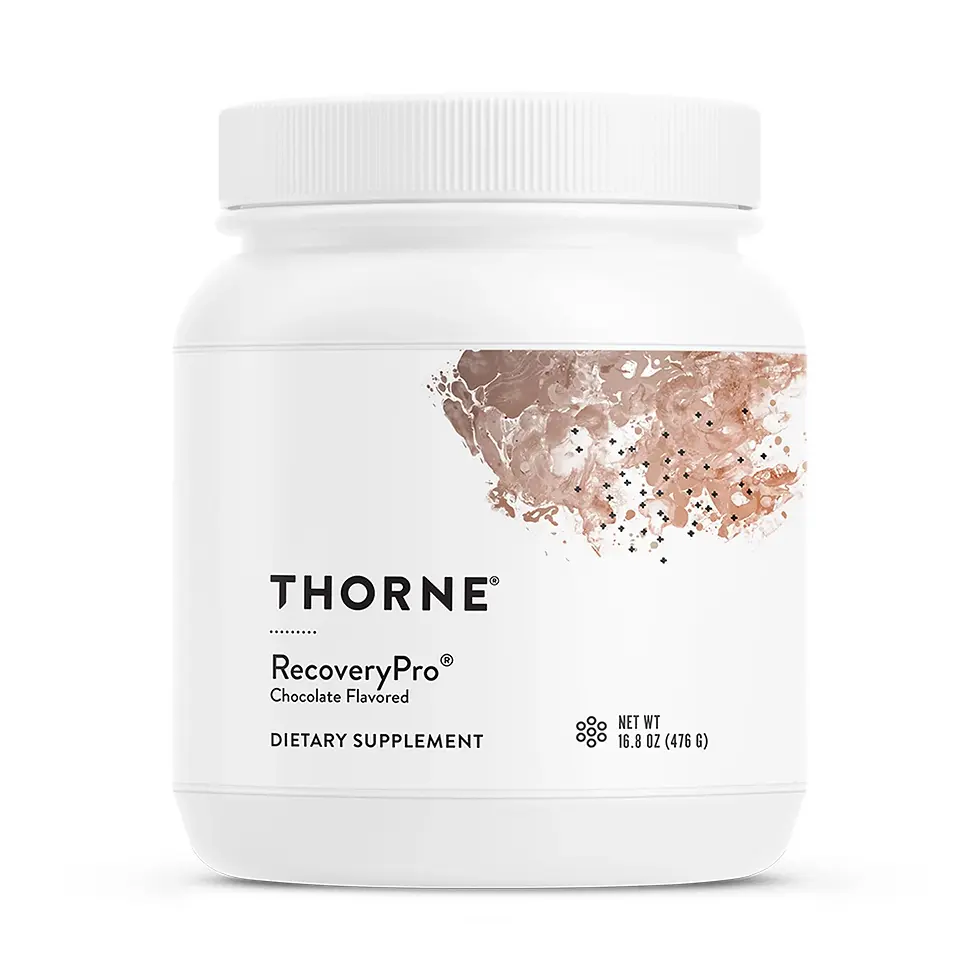
Protein powder
Protein is one of the most practical tools after weight loss because it helps preserve lean muscle and improves fullness. This matters because losing muscle can lower resting metabolism, making regain easier. Higher-protein diets have been associated with better satiety and weight-maintenance support, especially when combined with resistance training.

Fiber (psyllium)
Fiber can help by slowing digestion, improving fullness, and supporting blood sugar control. Psyllium specifically has evidence for cardiometabolic benefits, though its direct effect on weight loss is modest and not consistent. I would describe it as appetite and glucose support, not a “weight-loss supplement.”
Magnesium
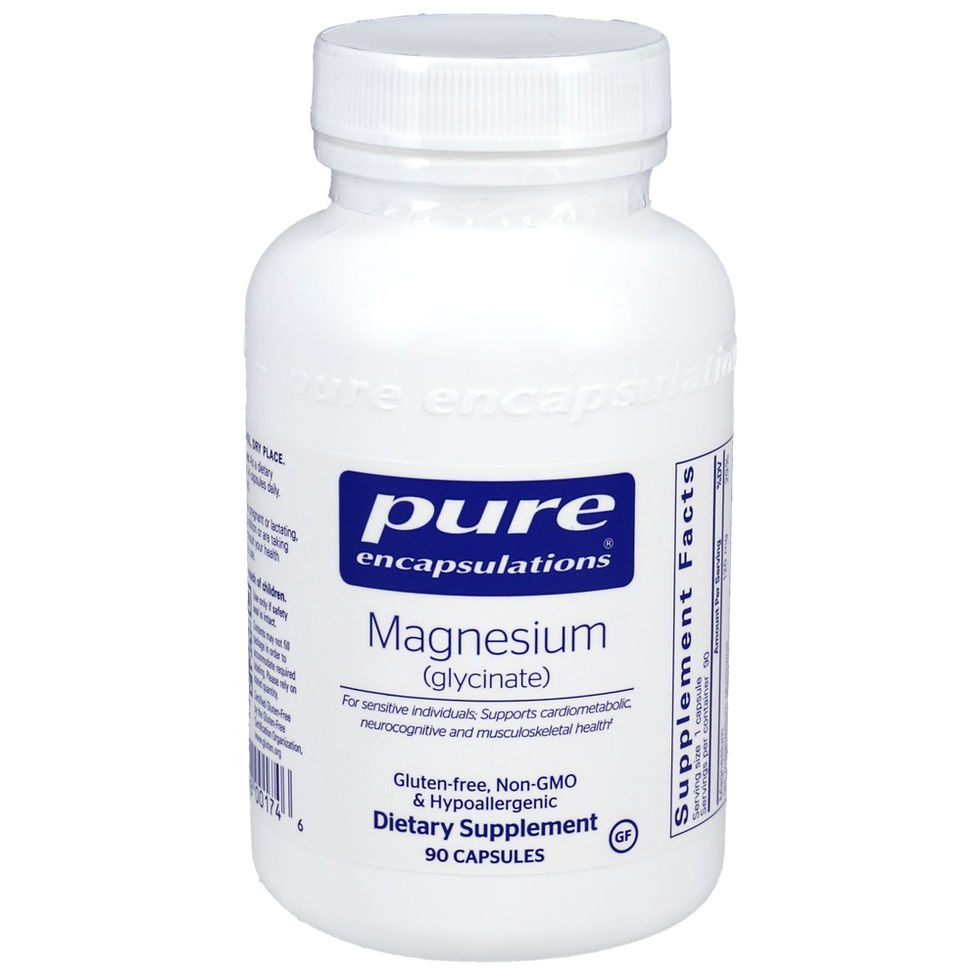
Magnesium does not directly “burn fat.” Its role is indirect: sleep and stress regulation. Poor sleep increases hunger and cravings, so improving sleep may make maintenance easier. Recent reviews suggest magnesium may help mild insomnia or sleep quality, especially in people with low magnesium status.
Additional support
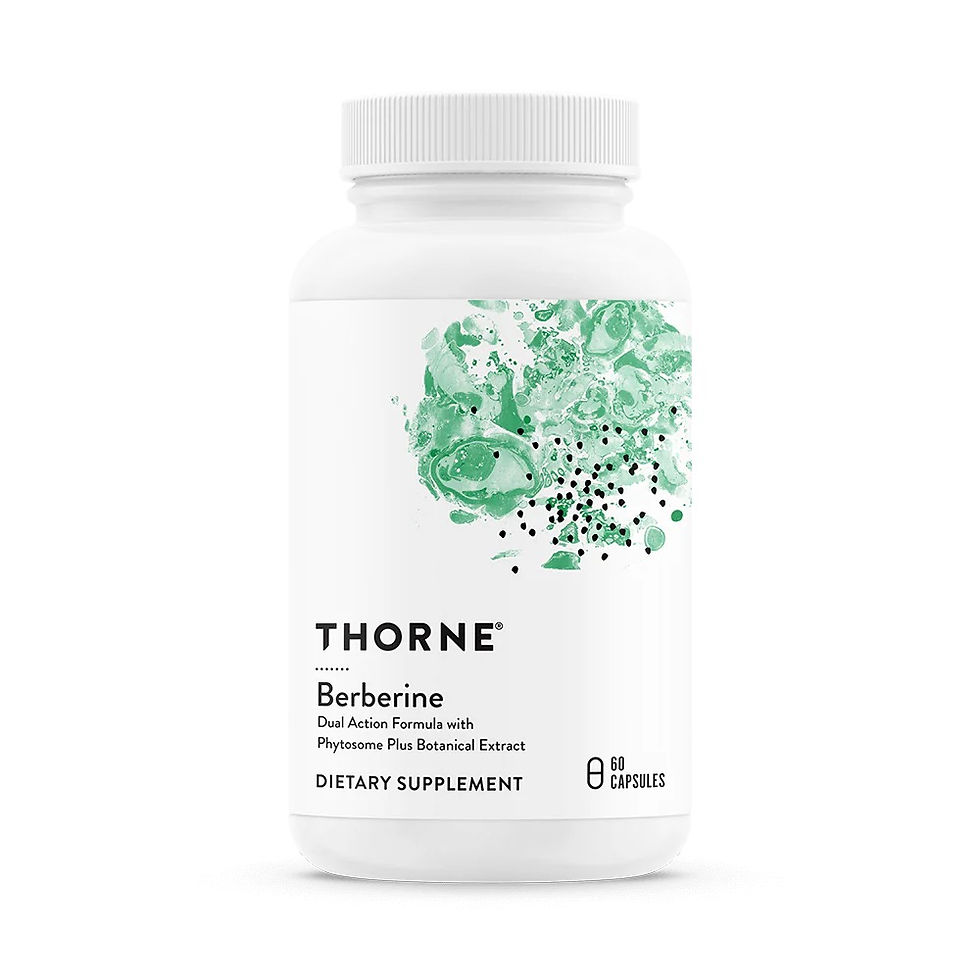
Berberine
Berberine has evidence for improving metabolic markers such as glucose, lipids, and some obesity indices. A 2025 overview of systematic reviews found benefits across metabolic syndrome, dyslipidemia, and type 2 diabetes outcomes; a 2025 RCT/meta-analysis evidence base also supports effects on metabolic-syndrome components. It should not be presented as “natural Ozempic,” because its effect is much smaller than GLP-1 medications.

Omega-3
Omega-3 is best positioned as cardiometabolic and inflammation support, not a primary weight-loss tool. Recent meta-analysis evidence shows marine omega-3 can improve triglycerides, especially at doses above 2,000 mg/day for at least 8 weeks, while effects on weight itself are not the main benefit.
What about probiotics?

There’s growing interest in “GLP-1 probiotics.”
But current evidence still shows:
modest and inconsistent effects
not sufficient for weight maintenance
Best use:
gut health
digestion
Not as a primary weight tool.
What this means clinically
At DobroMed Online, this is how we approach it:
Not just: “Lose weight.”
But plan for after:
stabilize metabolism
manage appetite
maintain results
And with Holistic Way NP, the goal is to support that process consistently.
You get free access to medical-grade supplements via Fullscript.
Weight maintenance support bundle can be accessed here: https://us.fullscript.com/plans/holisticwaynp-weight-maintenance-support
Final thought

Weight regain is not random.
It’s what happens when:
appetite increases
metabolism decreases
and support is removed
But with the right structure, it becomes much more manageable.
Declamer: Supplements may support weight maintenance by helping with protein intake, satiety, sleep, glucose regulation, and cardiometabolic health. They are not a substitute for nutrition, exercise, medical care, or prescribed medications. Always consult a qualified healthcare provider before starting supplements, especially if pregnant, breastfeeding, taking medications, or managing chronic conditions.
References :
GLP-1 weight regain trajectory study (2026)
BMJ analysis of weight regain after stopping medications (2026)
Oxford research on regain rates (2026)
Real-world GLP-1 discontinuation data (2026)
Post-withdrawal physiology (2026)
GLP-1 discontinuation weight regain averages (2026)
Cambridge analysis (~60% regain) (2026)


Comments